journal #1
Tuesday, September 29
Outside, the heat of August cools and chillier weather creeps across our corner of the world to kiss the tips of leaves red and yellow in the swift handover of summer greens to fiery autumnal bouquets.
A cracked open window invites the early fall sounds and smells into our make-shift office. There are cardboard boxes stacked on the floor, the bookshelves are half-filled. Our laptops are set up on a decade-old card table with legs shakier than a newly birthed fawn’s. We are only halfway settled in following a move back in July.
Our new apartment lives in that in-between place of semi-settled. We’re busy. There are other priorities that take precedence. Like making a movie.
Making a movie.
The key is to not really think about it (it’ll feel too overwhelming if we do), but to also think about it everyday (it won’t happen if we don’t).
The Forever Friend is a drama with supernatural elements. In its simplest form it tells the story of a man in a crisis of life meaning. The film looks at what it means to have a purpose – that word imbued with almost mystic import – and whether having one is as significant as we are collectively convinced it is.
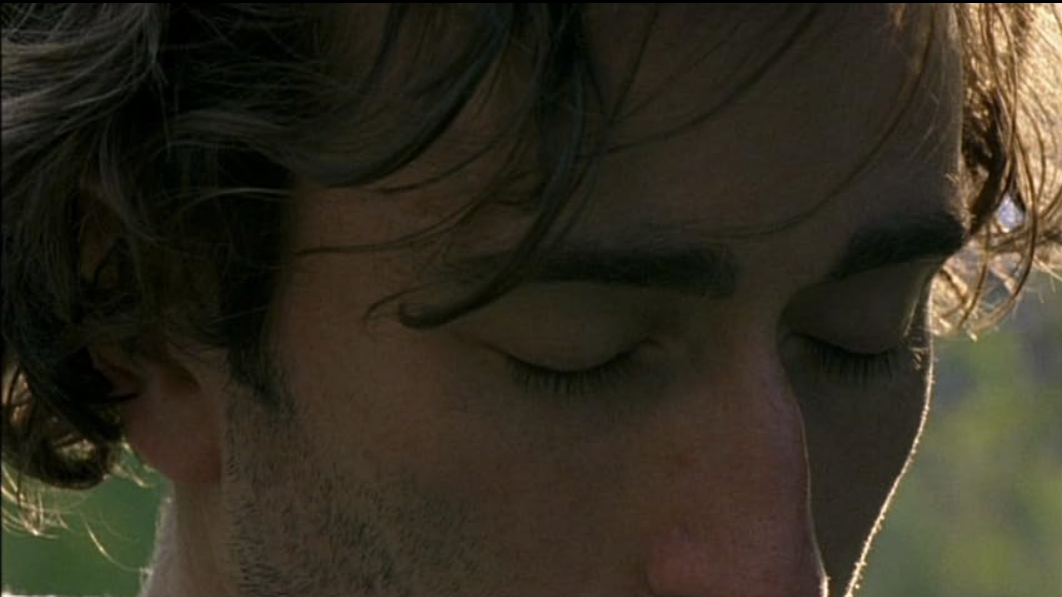
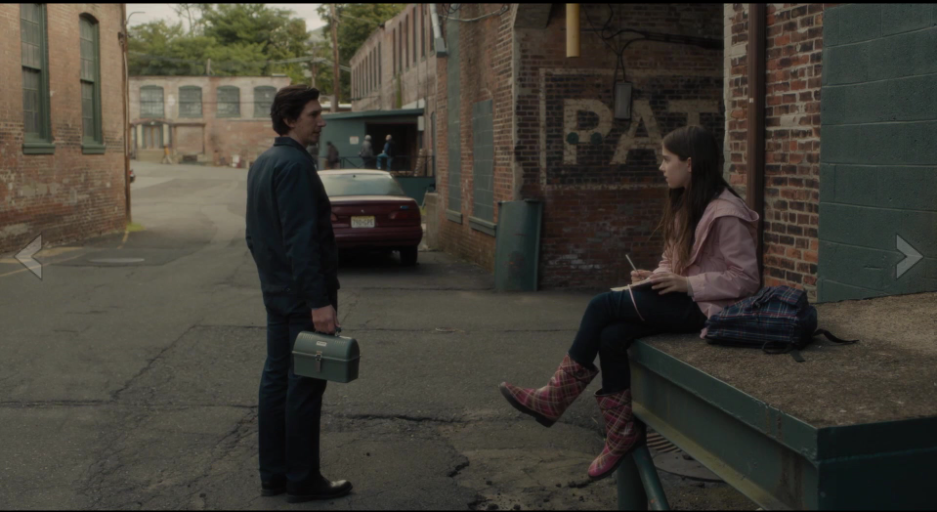
Beyond that, it’s a story about choosing your family and accepting to be loved by others. When the film opens, our protagonist, STEVE, has cloistered himself away from the world, weighed down by past tragedies and regret. But a chance encounter on the worst night of his life has him reconsidering the outlook of his life.
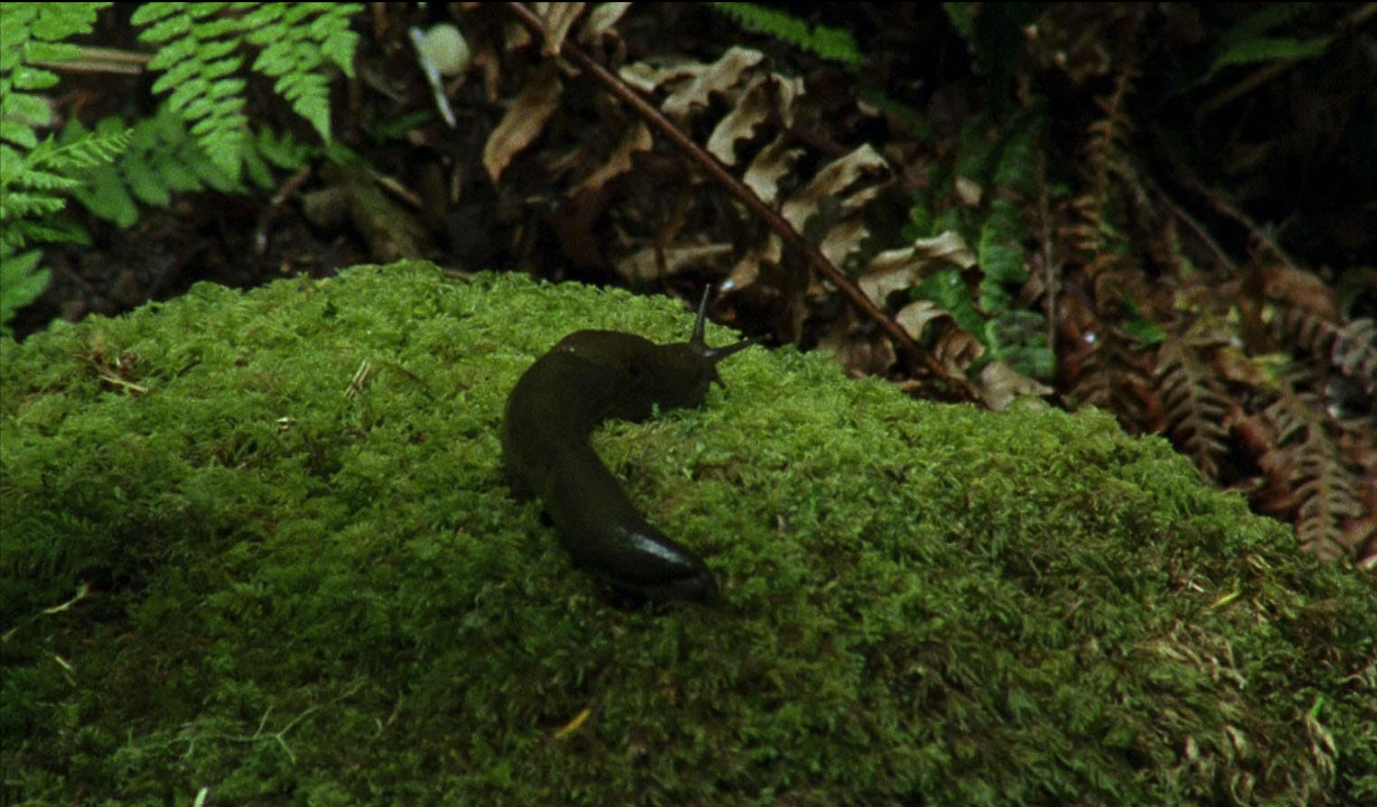
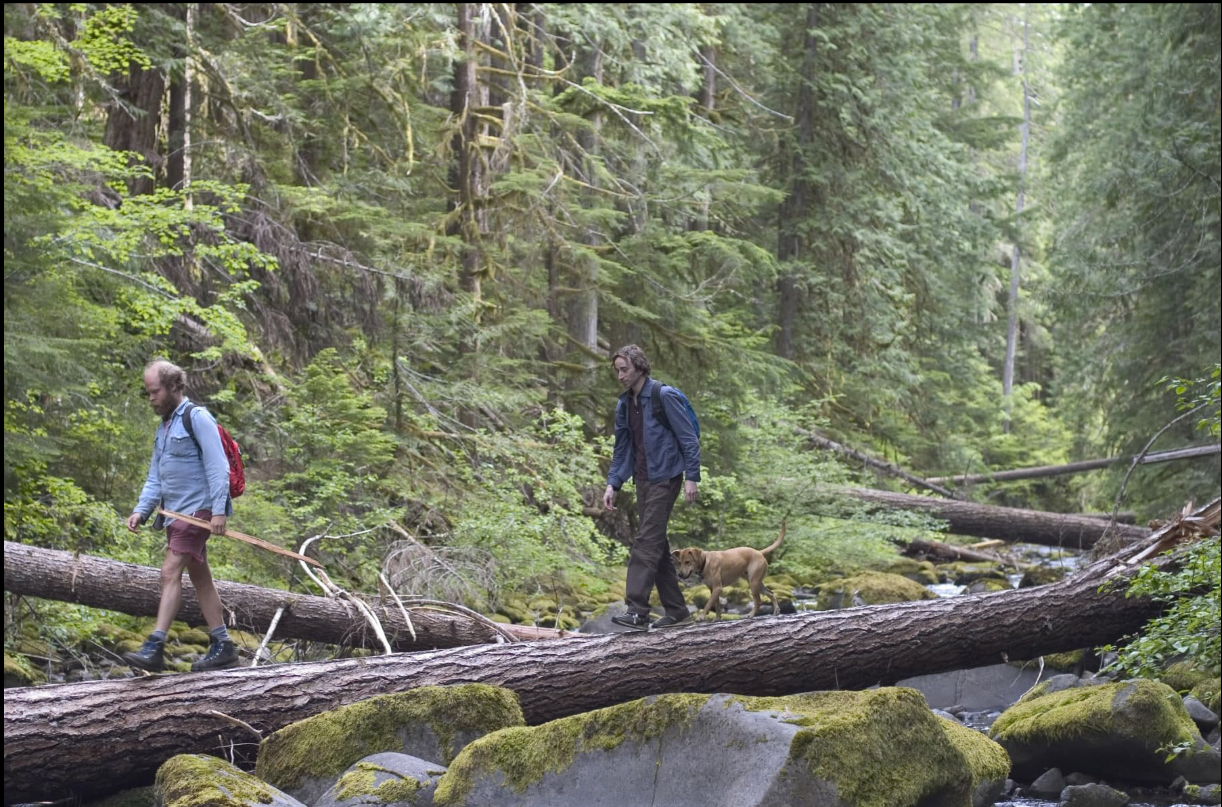
The theme of nature is prevalent throughout the film. Kelly Riechardt’s narrative style, centring of the natural world, and an interest in complex characters is a point of reference for the film. The Forever Friend is at heart a bittersweet, sometimes funny, meditation on purpose, love, chosen family, and death.
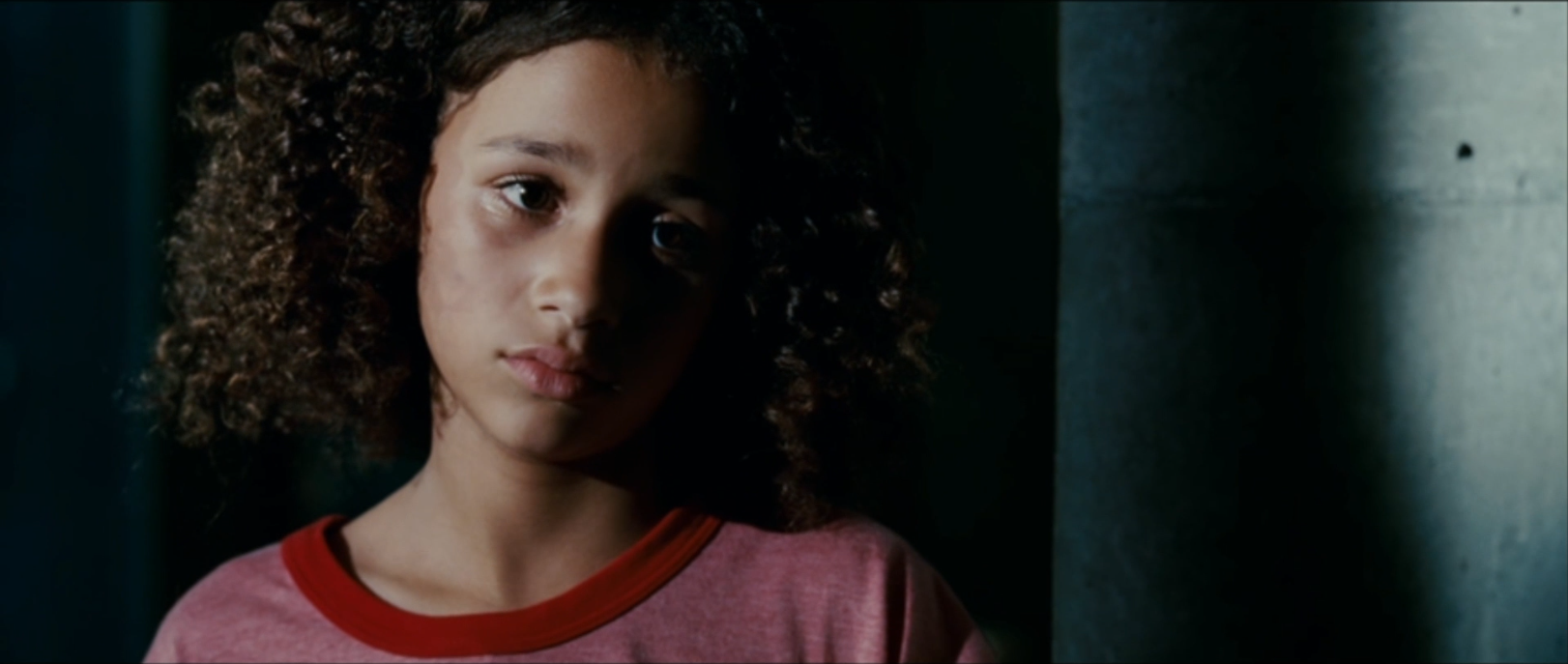
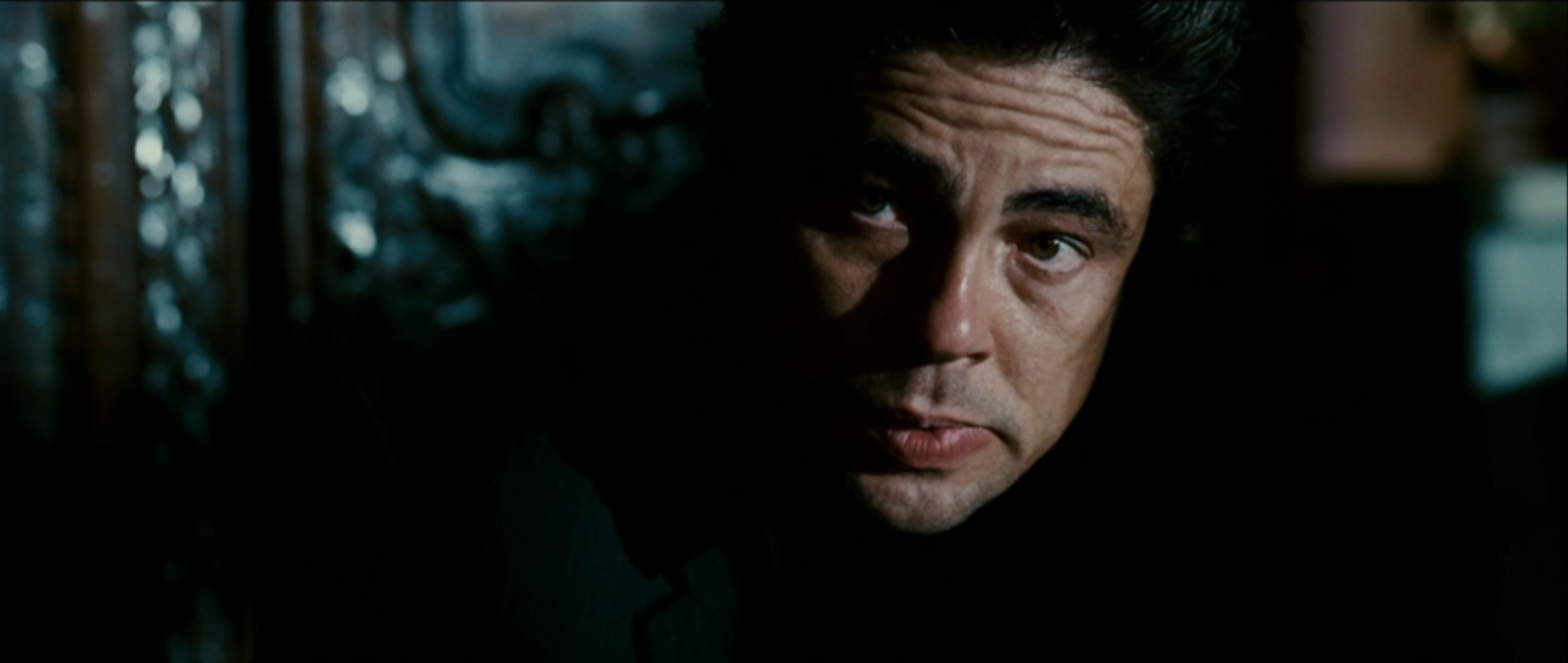
We’re at the stage of building our financing plan and determining which sources to approach to raise the funds. It’s a research-intense stage. The only certainty when it comes to financing a film is that there is no one way to go about it. I absorb what I can despite my brain’s natural inclination to reject financial language. Limited locations, a small cast, and an economical 90-page script should theoretically help keep the project costs low.
The sky outside is overcast now. It’s going to rain. The tea in my hand, a new rooibos blend, has turned cold.
In the neighbour’s yard, a squirrel dashes about, testing the ground, before it peels away a layer of grass to hide a precious nut. It meticulously pats down the grass over its cache with dexterous digits. I haven’t heard any Canadian geese overhead this morning. We see them less and less as the cold, early autumn air signals them to migrate south. The smaller birds cling on, however, tittering clusters of them to be found near the homes who replenish birdfeeders year-long.
The busy bustle of nature inspires me to press on, to collect resources, to keep focused, to remember that the deciding success of any season of change must always begin with solid preparation.